
Essential Tips for Driving and Maintaining Older Vehicles
Essential Tips for Driving and Maintaining Older Vehicles
Older vehicles hold a special charm and often come with a sentimental value that newer models can’t match. However, they also require more attention and care to keep them running smoothly and reliably. At Ideal Auto Services, we understand the unique challenges that come with maintaining older vehicles, and we’re here to offer some essential tips to help you keep your classic running like new.
1. Regular Maintenance Checks Routine maintenance is crucial for keeping an older car in good condition. Unlike newer models, older cars may not have the latest technology to alert you about maintenance needs, so setting a regular schedule is key.
- What to Do: Regularly check and change the oil, inspect belts and hoses for wear, and ensure that fluids are at the proper levels. It’s also wise to check the battery, brakes, and tires frequently for any signs of deterioration.
2. Be Gentle with the Drive Older vehicles may not handle high speeds or aggressive driving as well as newer ones. To avoid undue stress on the engine and transmission, it’s best to drive gently.
- What to Do: Accelerate slowly and avoid pushing the engine too hard. This reduces wear and tear and can significantly extend the life of the vehicle.
3. Keep It Clean Rust is a major enemy of older cars. Moisture and salt can lead to rust, which can quickly compromise the structural integrity and appearance of a vintage vehicle.
- What to Do: Wash your car regularly, including the undercarriage, to remove dirt, grime, and salts. Apply a coat of wax periodically to protect the paint and finish. If you live in a salty or humid environment, consider rust-proofing treatments.
4. Store Properly How you store your older vehicle can impact its longevity and maintenance needs. Keeping it in a garage or covered area protects it from the elements and can prevent a lot of issues.
- What to Do: If indoor storage is not an option, invest in a high-quality vehicle cover. Ensure the storage area is dry and well-ventilated to avoid dampness accumulating under the vehicle cover, which could cause rust.
5. Use High-Quality Replacement Parts When repairs are necessary, the quality of replacement parts can make a significant difference. Cheaper, lower-quality parts might save money initially but can lead to more frequent repairs down the line.
- What to Do: Opt for OEM (Original Equipment Manufacturer) parts or high-quality aftermarket parts when replacements are needed. These parts are more likely to perform better and are often more compatible with older vehicle systems.
6. Pay Attention to the Electrical System Older vehicles can develop electrical issues, which might be due to worn-out wiring, corrosion, or outdated components.
- What to Do: Have your vehicle’s electrical system checked regularly by a professional who can identify and fix potential issues before they lead to more serious problems.
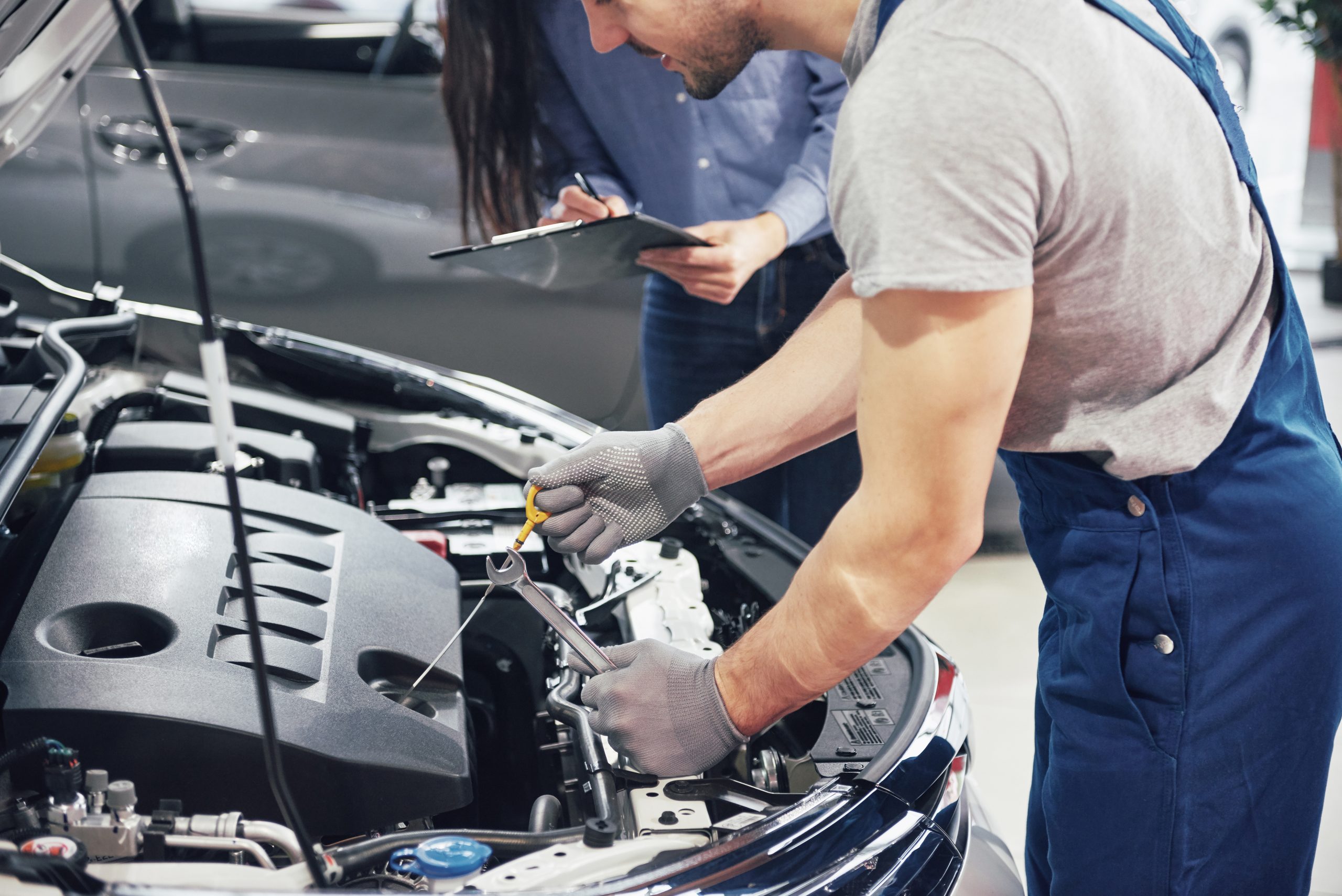
7. Regular Professional Inspections Having a professional who understands the specific needs of older vehicles look at your car can help catch issues that you might miss.
- What to Do: Schedule annual or biannual inspections with a trusted mechanic who specializes in older models or the specific make and model of your vehicle.
Maintaining an older vehicle requires a commitment to regular care and attention. By following these tips, you can enjoy the reliability and distinctive character of your older car for many years to come. Remember, at Ideal Auto Services, we’re here to help with expert advice and professional services tailored to keep your classic car in prime condition.